94% of Accidents Aren’t Accidents—They’re Human Error (Here’s How AI Fights Back)
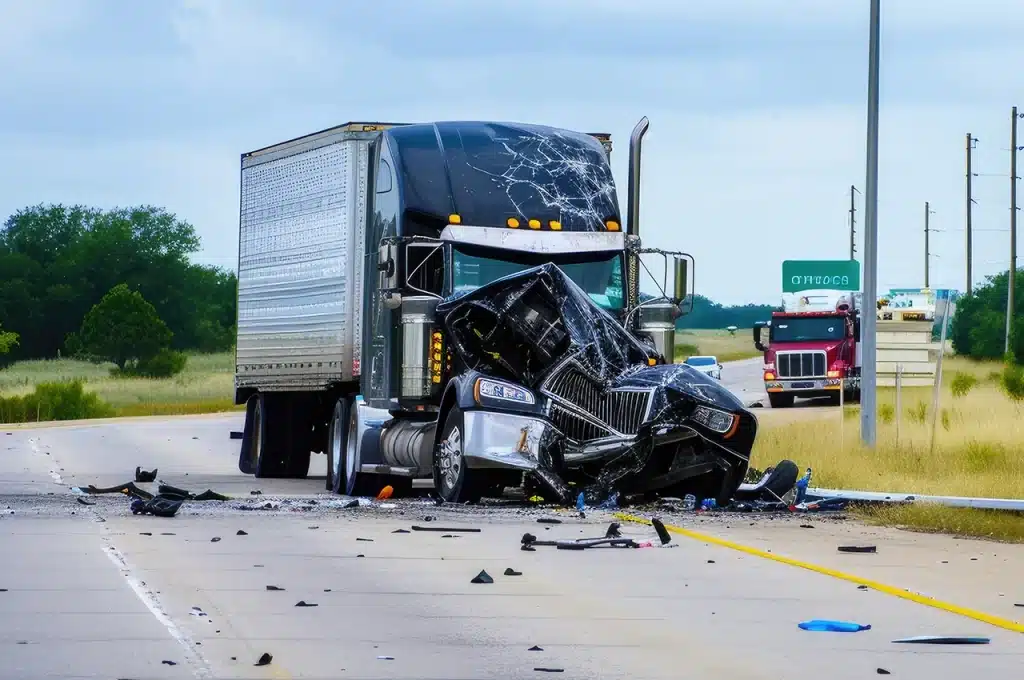
The dashcam footage went viral for all the wrong reasons. What looked like a routine rear-end collision on TikTok revealed something far more sinister: a coordinated “swoop and squat” insurance fraud scheme, complete with suspicious occupant behavior that fooled no one except the 67 million viewers who watched the scam unfold.
But here’s the real shocker: 94% of all road accidents aren’t really accidents at all—they’re caused by human error, fatigue, distraction, or poor judgment. Meanwhile, the average fleet accident now costs $18,000, while fleet insurance premiums have skyrocketed 47% over the last decade.
The old approach? Install cameras, hope for the best, and clean up the mess afterward. The new reality? AI-powered dashcams that prevent accidents before they happen, reducing incidents by 60% while cutting costs by 86%.
Welcome to the era where artificial intelligence doesn’t just record human error—it stops it.
The Human Error Epidemic That’s Bleeding Fleets Dry
Let’s get one thing straight: your drivers aren’t bad people. They’re human. And humans make predictable mistakes that cost fleets millions. The fleet dashcam market is exploding from $4.1 billion in 2023 to $7.5 billion by 2031, driven by one uncomfortable truth: traditional safety training isn’t enough to overcome human nature.
The Fatal Four Human Errors:
- Distraction: Three seconds of inattention equals traveling a football field at highway speeds
- Following Too Close: Tailgating feels normal until sudden stops create $18,000 rear-end collisions
- Lane Departures: Microsleep and attention lapses cause drift accidents during routine driving
- Speed Misjudgment: Driving too fast for conditions that seem manageable but aren’t
These aren’t criminal acts—they’re normal human behaviors that happen thousands of times daily across every fleet. The difference between a near-miss and disaster often comes down to timing, luck, and whether someone was paying attention during that critical moment.
But technology changes everything. Virginia Tech Transportation Institute studies prove that advanced AI dashcams alert drivers to unsafe behavior 86% of the time—3-4 times more effectively than competing solutions. Instead of discovering problems after accidents happen, AI systems identify dangerous patterns in real-time and intervene before crashes occur.
The transformation is remarkable. Drivers who previously operated on instinct now have intelligent co-pilots that never get tired, never lose focus, and never fail to notice when human error is about to cause a collision.
Stop recording accidents. Start preventing them.
See how AI dashcams alert drivers to distraction, tailgating, and drift in real time, before a near-miss becomes an $18,000 claim.
When AI Becomes Your Most Reliable Safety Officer
Traditional dashcams are passive witnesses that record disasters. AI-powered systems are active partners that prevent them. The difference transforms entire fleet operations from reactive crisis management to proactive safety leadership.
Real-Time AI Intervention:
- Distraction Detection: Instant alerts when drivers look at phones or show drowsiness signs
- Following Distance Monitoring: Continuous gap measurement with warnings before dangerous situations develop
- Lane Departure Prevention: Road marking tracking that distinguishes intentional changes from dangerous drift
- Intelligent Speed Awareness: Alerts based on actual conditions, not just posted limits
Modern AI doesn’t just watch—it understands. When cameras detect phone use, immediate audio alerts redirect attention back to the road, often preventing collisions that would have occurred seconds later. The psychological impact amplifies technological benefits as drivers quickly learn that intelligent systems monitor their performance, creating immediate behavioral changes that compound over time.
Real-time coaching proves especially powerful for habit formation. Instead of receiving generic safety training weeks after incidents, drivers get immediate, specific feedback about their actual behavior. One Tennessee-based company used AI dashcam footage to exonerate a driver and avoid a $150,000 fraudulent lawsuit, but more importantly, their drivers began exhibiting safer behaviors knowing every action was intelligently monitored.
Fleet managers report that AI systems identify dangerous patterns they never would have noticed manually. The technology catches microsleep events, aggressive acceleration, and following distance problems that human oversight would miss, creating comprehensive safety profiles that enable targeted improvement efforts.
The False Claims Arms Race and AI’s Counter-Attack
While AI prevents real accidents, it simultaneously destroys fake ones. Staged accidents and insurance fraud cost billions annually, with professional fraud rings specifically targeting commercial fleets for maximum payouts.
Modern Fraud Schemes:
- “Swoop and Squat”: Coordinated crashes involving multiple vehicles and actors
- “Left Turn Drive-Downs”: Fraudsters wave victims forward, then block their path
- Professional Medical Claims: Fake injuries that can reach six-figure settlements
- Coordinated Witness Testimony: Rehearsed stories that support fraudulent narratives
The sophistication has evolved dramatically, but AI-powered video systems create comprehensive fraud protection through multiple defensive layers. Multi-angle recording captures both interior and exterior views, making coordination between fraudsters visible and their rehearsed behaviors obvious under scrutiny.
AI Fraud Defense Arsenal:
- Pre-Event Footage: Continuous recording reveals suspicious positioning before staged collisions
- Tamper-Proof Storage: Automatic cloud upload prevents footage manipulation or destruction
- Multi-Angle Documentation: Interior and exterior cameras capture complete incident context
- Instant Evidence: Clear video eliminates “he said, she said” disputes with objective documentation
The legal protection extends beyond individual incidents. 80% of truck accidents are caused by passenger vehicles, making objective evidence crucial for defending innocent drivers against wrongful accusations. Nuclear verdicts exceeding $10 million have transformed commercial fleet liability, making comprehensive video documentation essential for legal defense.
The Insurance Revolution: From Cost Center to Profit Driver
The financial transformation when fleets deploy AI-powered video systems extends far beyond accident prevention. 58% of fleets receive insurance discounts simply for having dashcams, but those using AI-enhanced systems with proven safety improvements often secure even better terms.
Financial Impact Breakdown:
- Premium Reductions: Insurance companies offer 5-20% discounts for fleets sharing video data
- Claims Acceleration: Video evidence speeds resolution, reducing investigation costs
- Legal Protection: Clear footage can mean the difference between financial devastation and complete exoneration
- Compound Savings: 10x ROI through combined accident prevention, insurance savings, and eliminated false claims
Insurance companies have discovered that video data provides unprecedented insight into fleet risk profiles. Traditional underwriting relied on historical claims data, creating reactive pricing that only adjusted after losses occurred. AI-powered systems provide real-time risk assessment, allowing insurers to offer preferred rates to fleets demonstrating measurable safety improvements.

The claims process transformation proves equally valuable. Video evidence eliminates lengthy investigations and disputes that historically consumed weeks or months. Commercial accidents become 60% less likely and 86% less expensive when drivers use AI-powered feedback systems.
The commercial auto insurance market reached a combined ratio of 109.2% in 2023, meaning insurers paid out 9.2% more than they collected in premiums. This unsustainable dynamic forces insurers to demand stronger risk management from fleets, with video evidence becoming a prerequisite for competitive premiums.
The Behavior Transformation That Changes Everything
The moment drivers know intelligent systems are monitoring them, fundamental behavioral changes occur that extend far beyond simple compliance. The psychology of accountability creates immediate improvements, but the longer-term cultural transformation proves even more valuable.
Behavioral Change Drivers:
- Immediate Feedback: Real-time alerts modify dangerous behavior as it happens, not days later
- Performance Visibility: Driver scoring based on actual behavior creates accountability
- Positive Recognition: Data-driven acknowledgment for safe driving encourages continued good habits
- Cultural Transparency: Fleet-wide safety improvements when everyone knows behavior is monitored
Real-time feedback systems create learning opportunities that stick because consequences are immediate and directly related to specific actions. Performance visibility through comprehensive behavioral profiles identifies specific areas needing attention, while positive recognition builds a culture where safety excellence receives appropriate acknowledgment.
The Data Advantage:
- Pattern Recognition: AI catches behavioral trends human observation would miss
- Objective Coaching: Video evidence removes arguments, focusing discussions on improvement
- Comprehensive Monitoring: Continuous observation reveals concerning habits during extended periods
- Targeted Training: Root cause identification enables specific skill development
The technology creates transparency that builds trust rather than surveillance anxiety, especially when drivers see that systems protect them from false accusations while helping them improve their skills. Manager and driver relationships improve when coaching conversations focus on objective data rather than subjective observations.
The Competitive Reality Check
While you’re evaluating whether AI-powered video systems make sense for your fleet, competitors are already deploying these technologies and building insurmountable safety advantages. The window for competitive parity is closing rapidly as early adopters establish operational superiority.
Competitive Advantages:
- Lower Accident Rates: Reduced operational disruptions and improved on-time performance
- Insurance Savings: Direct bottom-line impact through reduced premiums and claims
- Driver Retention: Protection from false accusations and intelligent professional development
- Recruitment Tool: Drivers prefer fleets that provide advanced safety technology
The market evolution suggests that AI-powered safety systems will soon become industry standard rather than competitive advantage. Between 10% and 18% of U.S. drivers now use dashboard cameras, with adoption accelerating as technology improves and costs decrease.
Your choice is ultimately simple: continue recording accidents after they happen, or start preventing them before they occur. Human error causes 94% of accidents, but AI systems can catch and correct these errors before they become disasters. Every day you operate without AI-powered video incident management is another day of preventable accidents, rising insurance costs, and vulnerability to false claims.
Ready to Turn Human Error into Competitive Advantage?
“Join the fleet operators who’ve discovered that the smartest safety investment isn’t better training—it’s AI that makes every driver safer.”
GoFleet’s AI-Powered Video Incident Management delivers:
- Real-time error detection with instant driver coaching and behavior modification
- False claim protection through tamper-proof recording and fraud detection
- Insurance premium reductions with proven 30% accident reduction
- Complete incident reconstruction for legal protection and training
- Fleet-wide safety culture through data-driven performance management
Stop hoping your drivers won’t make mistakes. Start preventing them.
Schedule Your AI Safety Assessment and discover how intelligent video management can reduce your fleet accidents by 30% while protecting against false claims.
Contact GoFleet today for a personalized analysis of your video incident management ROI and implementation timeline.

